Leverage Trading Conversations Are Getting Honest in Singapore
There has been a shift in how leverage is discussed within Singapore’s trading communities. There was certainly a period when the sentiment was optimistic, as participants described outsized returns and framed high-margin positions as evidence of skill rather than risk-taking, across local forums, Telegram groups, and YouTube comments. That framing has not disappeared, but it now coexists with a more candid discussion, one shaped by a growing body of shared experience with drawdowns and depleted accounts, and the community has developed a more measured point of view as a result.
That candour tends to surface most clearly where trading activity has been heaviest and losses most significant. Responses to threads in Singapore trading forums now more often open with risk management than with returns. Those who once shared accounts of their biggest winning trades are more likely now to describe what they learned from their worst trading month. The shift in what the community shares and celebrates reflects a positive cultural change, alongside a continuing strong interest in leverage trading.
Part of what drives the candour is the specificity of losses. The mathematics of a margin call is straightforward, and one that can unfold quickly enough to need no embellishment. When a trader following a sound long-term crude oil position saw it reversed by an unexpected OPEC announcement, three months of accumulated profits were erased in a single session. The concreteness of that kind of loss makes it more transferable than any abstract risk warning.
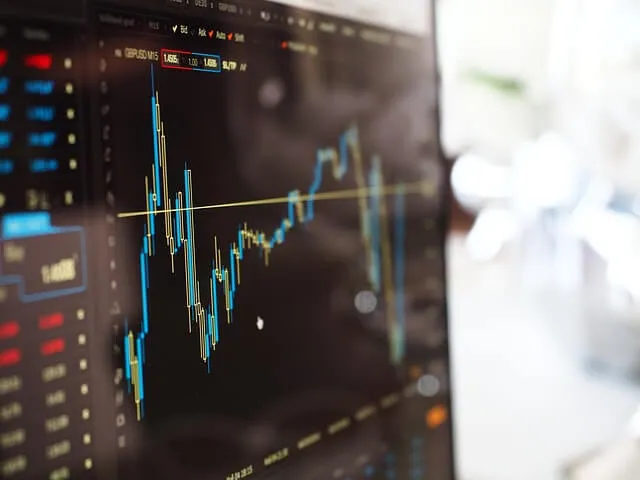
Image Source: Pixabay
There is also a regulatory dimension to the conversation. While some offshore jurisdictions permit retail traders to operate with higher leverage, MAS has kept its ratios relatively conservative, which can frustrate traders seeking greater exposure, but has come to be viewed more favorably over time. The reference point is typically a trader who moved capital offshore to access higher leverage and was subsequently caught in losses that would have been capped under MAS regulations. Those accounts circulate widely enough that regulation itself becomes a subject of debate, reconsidered not as a limitation but as a considered boundary with a rational basis.
Leverage trading sits at the heart of a tension that is familiar to experienced traders in Singapore. The same mechanism that amplifies returns on a modest investment is the one that produces catastrophic losses. Navigating that tension does not mean avoiding leverage, but understanding it well enough to keep it within a strict risk framework. When traders reach that realization, they tend to discuss position sizing, stop placement, and maximum drawdown thresholds with the same attention they give to chart analysis, treating these as sound technical practice rather than a matter of personal preference.
The current conversation suggests that Singapore’s retail trading community is maturing in a recognizable pattern. Enthusiasm gives way to hard lessons, hard lessons give way to more disciplined frameworks, and as experience accumulates across the community, those frameworks become a shared language capable of conveying practical knowledge rather than inspiration alone. The most valuable contributors to that discussion are not those with the most dramatic success stories. They are the participants who have been active long enough to understand what sustained trading requires, and who speak about it without glossing over the parts that are difficult to confront.

Comments